
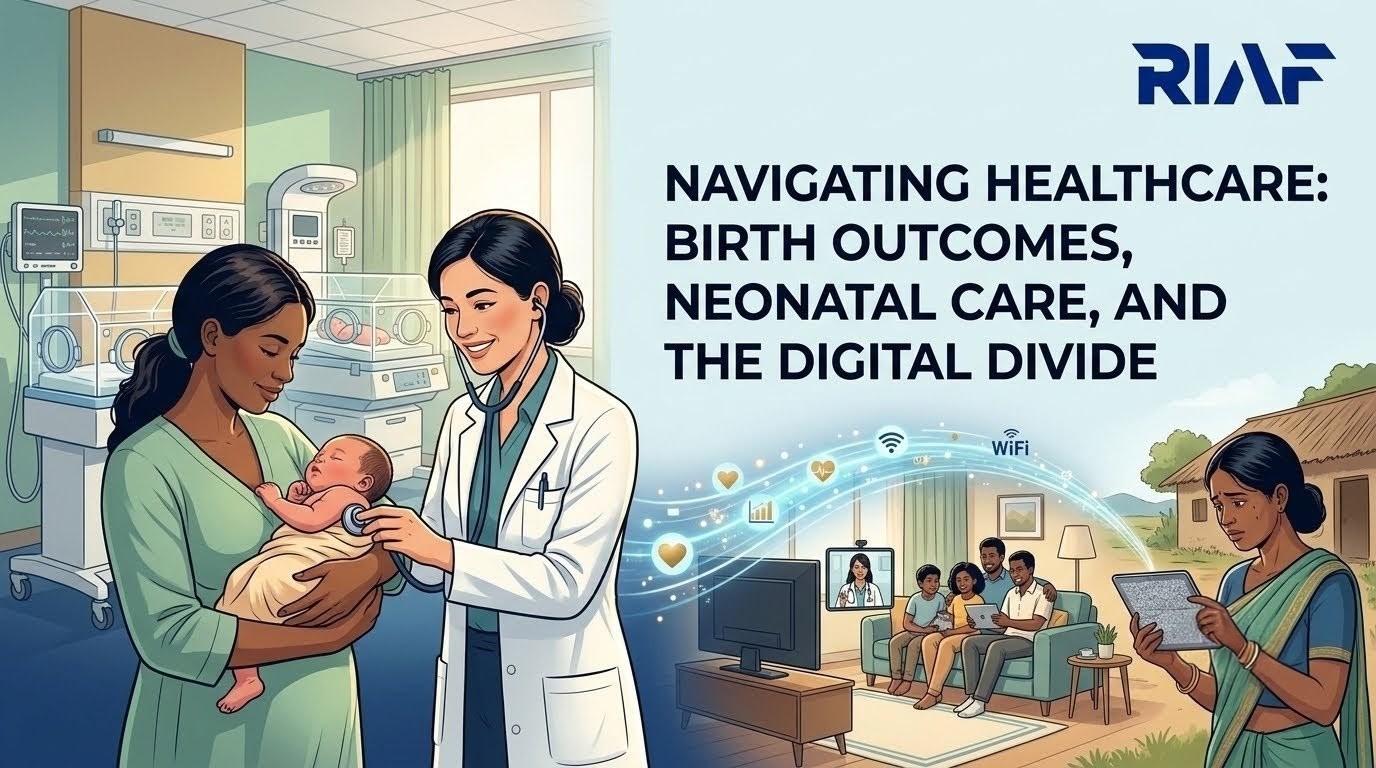
Over the past few decades, India has made monumental strides in reducing maternal and infant mortality rates through dedicated public health interventions. A central driver of this transformation has been the Janani Suraksha Yojana, a conditional cash transfer scheme under the National Health Mission designed to incentivize pregnant women from low-income households to give birth in formal healthcare facilities. By replacing hazardous home deliveries with institutional births attended by skilled medical professionals, the scheme has successfully curtailed delivery-related maternal mortality and immediate maternal complications across the country. The programmatic shift toward institutionalized care created a foundational safety net that ensured proper sanitation, access to emergency obstetric interventions, and timely management of excessive post-partum bleeding, which historically claimed thousands of maternal lives.
Despite these notable achievements in promoting safe childbirth, critical gaps persist in the broader landscape of child survival. While the overarching maternal and child health indicators show long-term improvements, neonatal mortality; defined as deaths occurring within the first twenty-eight days of life, remains disproportionately high and continues to pose a formidable challenge to public health administrators. As highlighted by recent health reports and global UN child mortality estimates, India's overall Neonatal Mortality Rate has seen significant historical reductions, yet the absolute number of newborn fatalities remains a heavy burden on the healthcare architecture. The lingering high prevalence of neonatal deaths stems largely from conditions that extend beyond the immediate act of delivery, including premature birth, low birth weight, birth asphyxia, neonatal sepsis, and underlying maternal undernutrition.
The persistent vulnerability of newborns underscores a structural disconnect within the public health delivery mechanism. While Janani Suraksha Yojana successfully brings mothers into primary healthcare centers and district hospitals for birth, many of these facilities historically lacked specialized post-natal infrastructure required to care for fragile or sick newborns. Recognizing this gap, local urban civic bodies and state administrations have begun taking targeted actions to bolster facility-based newborn care. A prominent instance of this response is evident in municipal initiatives, such as the Pune Municipal Corporation standing committee approving dedicated funding of four crore rupees to augment neonatal intensive care unit equipment, ventilators, and specialized infrastructure across municipal maternity homes. Such investments are vital to prevent emergency referrals to overloaded tertiary hospitals and to ensure that newborns receive immediate critical care within the crucial early hours of life.
However, clinical infrastructure within hospital walls addresses only one part of the child survival continuum. The ongoing struggle against neonatal mortality and early childhood malnutrition requires sustained, community-level interventions that support optimal maternal nutrition and infant care at home. In this context, the government launched the Poshan Tracker mobile application under the flagship Poshan Abhiyaan to monitor nutritional outcomes, track the delivery of supplementary nutrition, and map the growth metrics of pregnant women, lactating mothers, and infants. By digitizing the workflow of frontline Anganwadi workers, the Poshan application aims to provide real-time data to identify vulnerable infants early, ensure timely nutritional supplementation, and streamline administrative accountability across rural and urban centers.
While the Poshan app represents a well-conceived technological innovation, its actual efficacy on the ground is significantly constrained by a prevalent digital literacy divide. Frontline healthcare workers and community members in socio-economically marginalized regions often face substantial hurdles when interacting with complex digital platforms. Anganwadi workers frequently report difficulties in navigating mobile interfaces, encountering software glitches, managing connectivity issues in remote regions, and keying in precise health metrics. Furthermore, mothers themselves often lack access to digital devices or the requisite digital fluency to leverage public health applications, educational portals, or tele-consultation services effectively. Consequently, the potential of digital health initiatives remains underutilized due to the gap between technological deployment and ground-level usability.
To ensure that the gains achieved through institutional deliveries translate into long-term survival for newborns, public health strategy must evolve into a comprehensive, multi-layered framework. First, urban and rural local bodies must continue expanding facility-based newborn care facilities, expanding neonatal intensive care units, and equipping peripheral maternity centers with essential life-support systems. Second, policy implementation must pair technological applications like the Poshan app with systematic, ongoing digital literacy programs and hands-on technical support for frontline workers. Bridging the digital divide ensures that data-driven healthcare reaching rural and urban pockets remains accurate, actionable, and inclusive. By reinforcing institutional clinical capabilities alongside digital empowerment at the grassroots level, India can bridge the gap between safe delivery and sustained neonatal survival.
References: